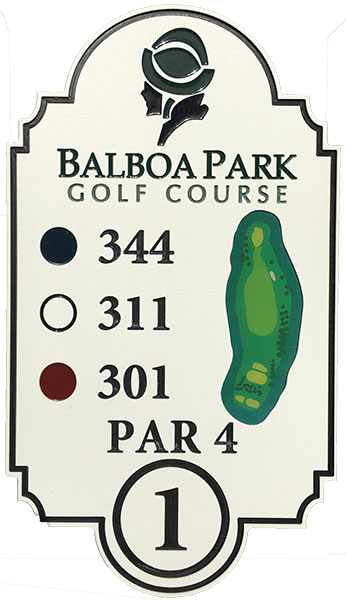
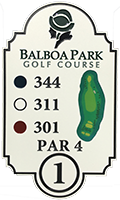
Hole 1
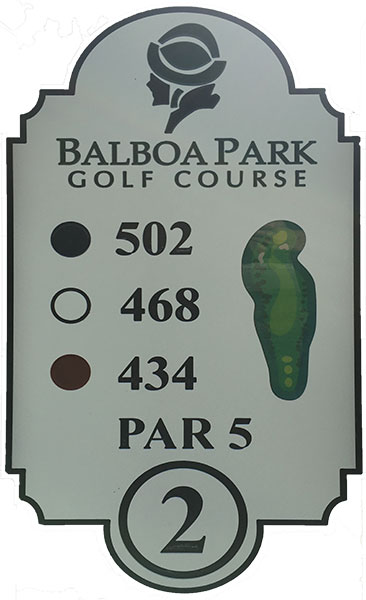
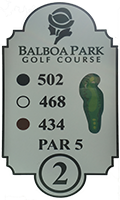
Hole 2
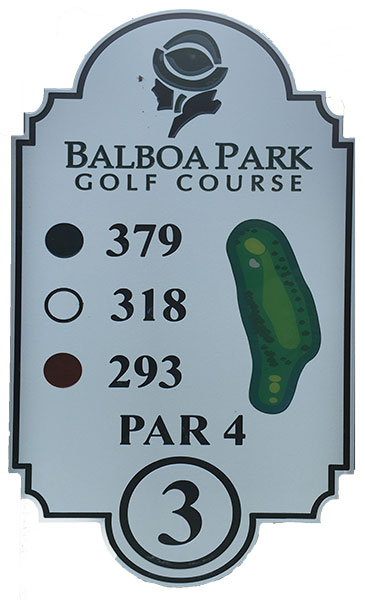
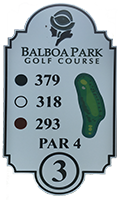
Hole 3
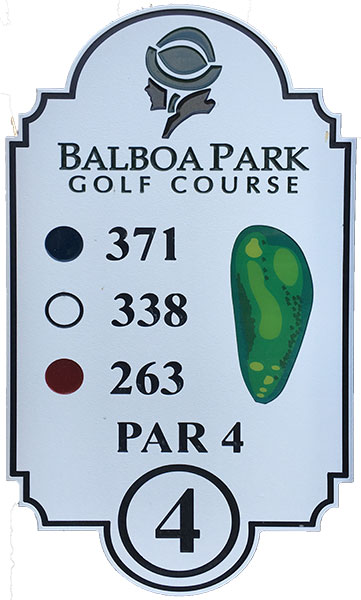
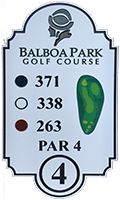
Hole 4
Hole 5
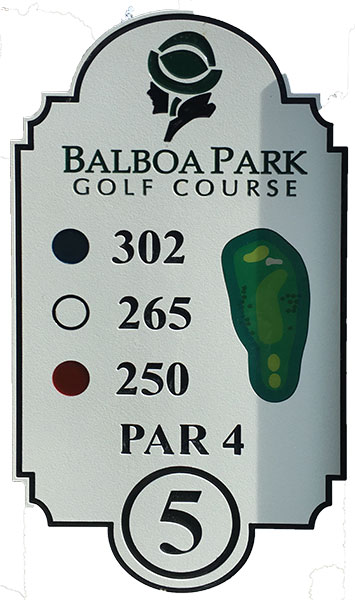
Hole 6
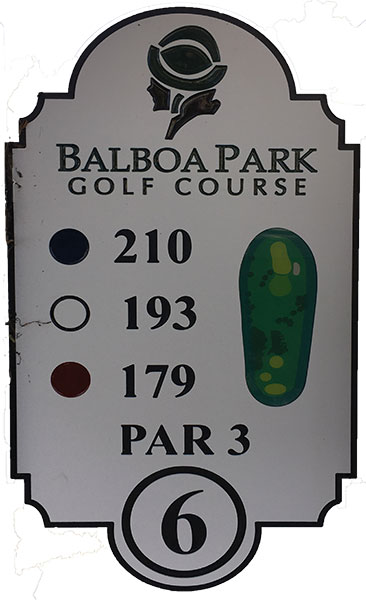
Hole 7
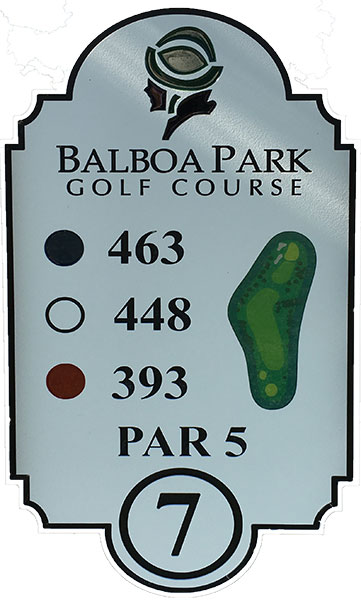
Hole 8
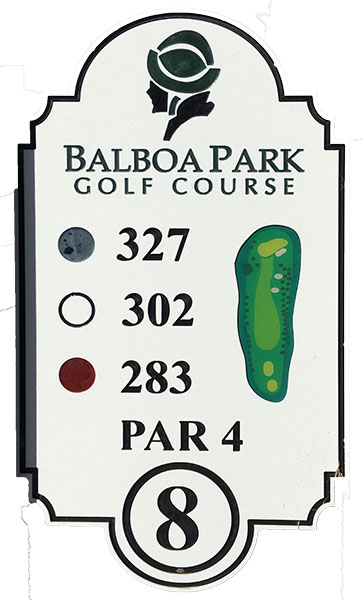
Hole 9
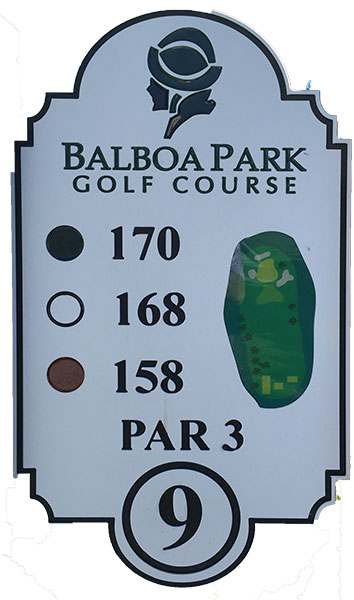
Hole 10
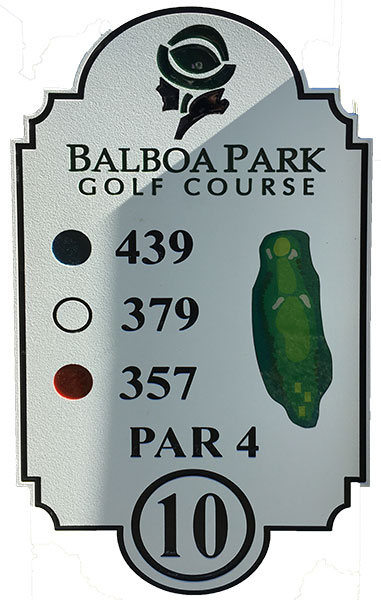
Hole 11
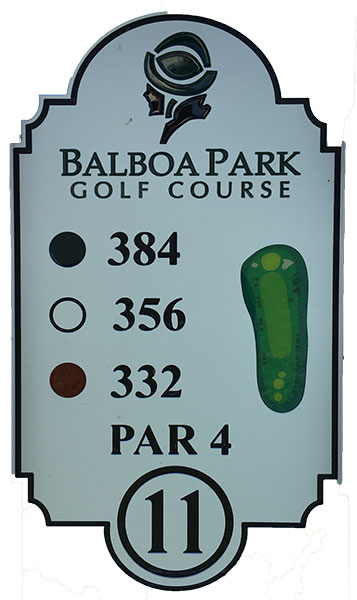
Hole 12
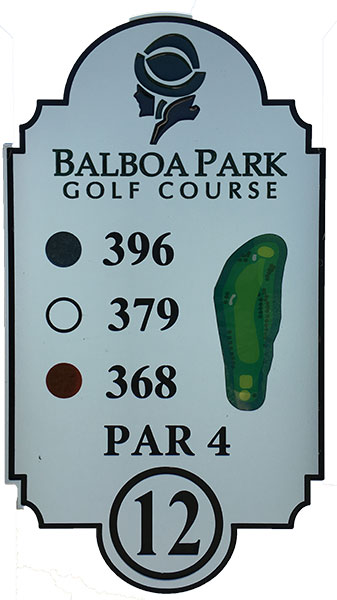
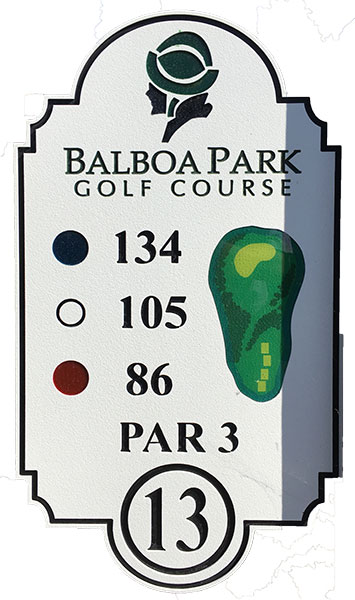
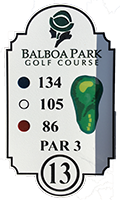
Hole 13
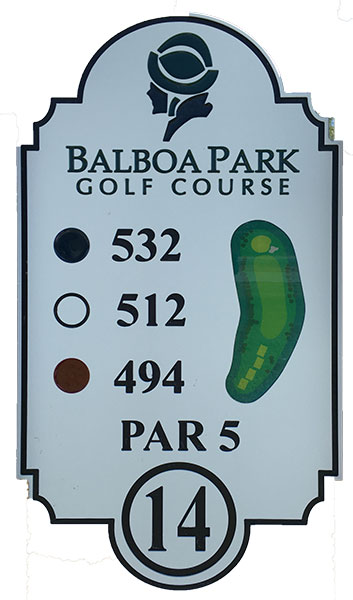
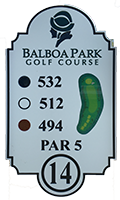
Hole 14
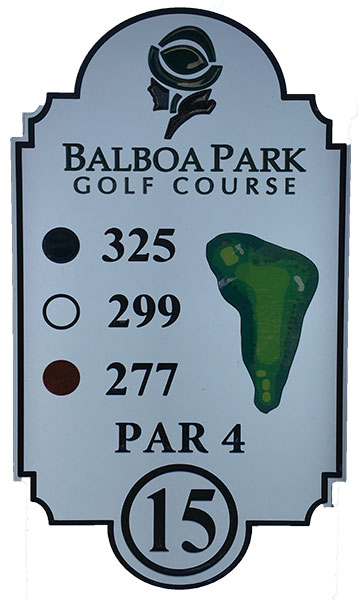
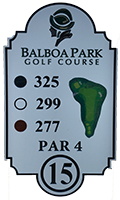
Hole 15
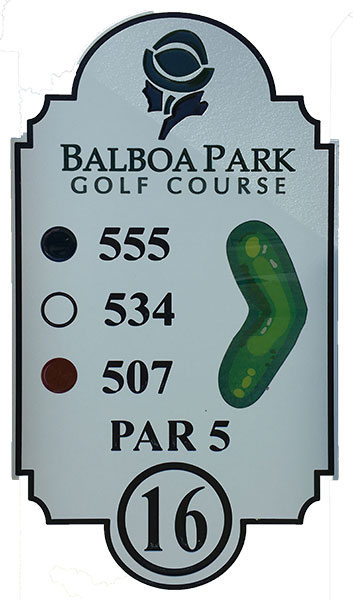
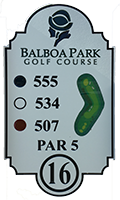
Hole 16
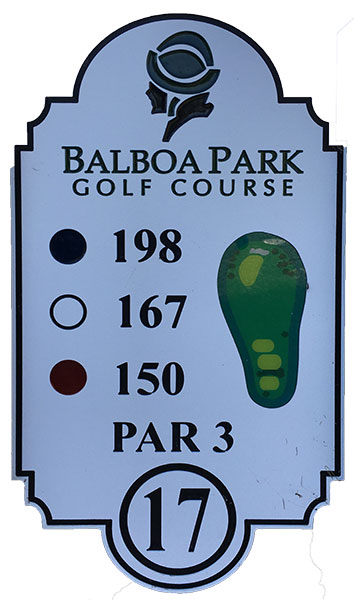
Hole 17
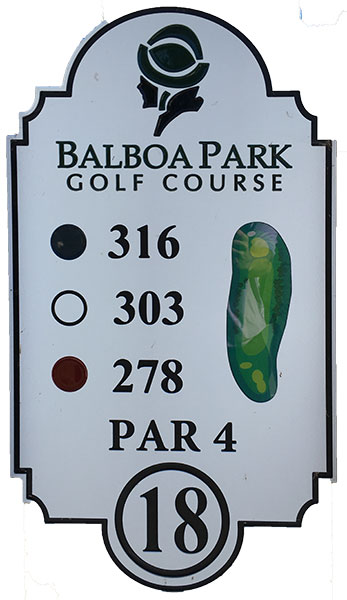
Hole 18
Near Downtown, in the Heart of Balboa Park
Balboa Park Golf Course opened on April 5, 1919 — San Diego’s first-ever municipal golf course. What began as nine holes of dirt fairways and oiled sand greens, built for just $1,845, became one of California’s most beloved public layouts.
In 1933, legendary Golden Age architect William P. Bell — the designer of Riviera Country Club and co-architect of Bel-Air Country Club — completed the 18-hole grass championship course that forms the bones of the layout you play today. He was paid $1,000. The course features canyon golf, dramatic elevation changes, and strategic bunkering that have challenged players for over 90 years.
Sam Snead holds the course record: a 12-under 60, set in 1943 during a wartime afternoon rematch.
Course Layout
A devilish little course. Its deceiving short yardage makes it look easier than it actually is (if easy at all). Perhaps it’s the perfect example of when the USGA slope/rating system, seemingly based mostly on distance, fails to capture the true difficulty of a golf course.
Some holes have no bail-out, forcing players to play very safe — short of greens — to avoid disaster. Aggressive play will, sooner or later, lead to disastrous consequences. A good course for straight hitters and patient players. A bad course for those who are wild off the tee and inaccurate with their irons.
- Blue Tees
- Par 72 • 6,347 yds • 71.5 / 126
- Combo Tees
- Par 72 • 6,061 yds • 70.1 / 123
- White Tees
- Par 72 • 5,845 yds • 69.2 / 120
- Red Tees
- Par 72 • 5,403 yds • 67.1 / 115
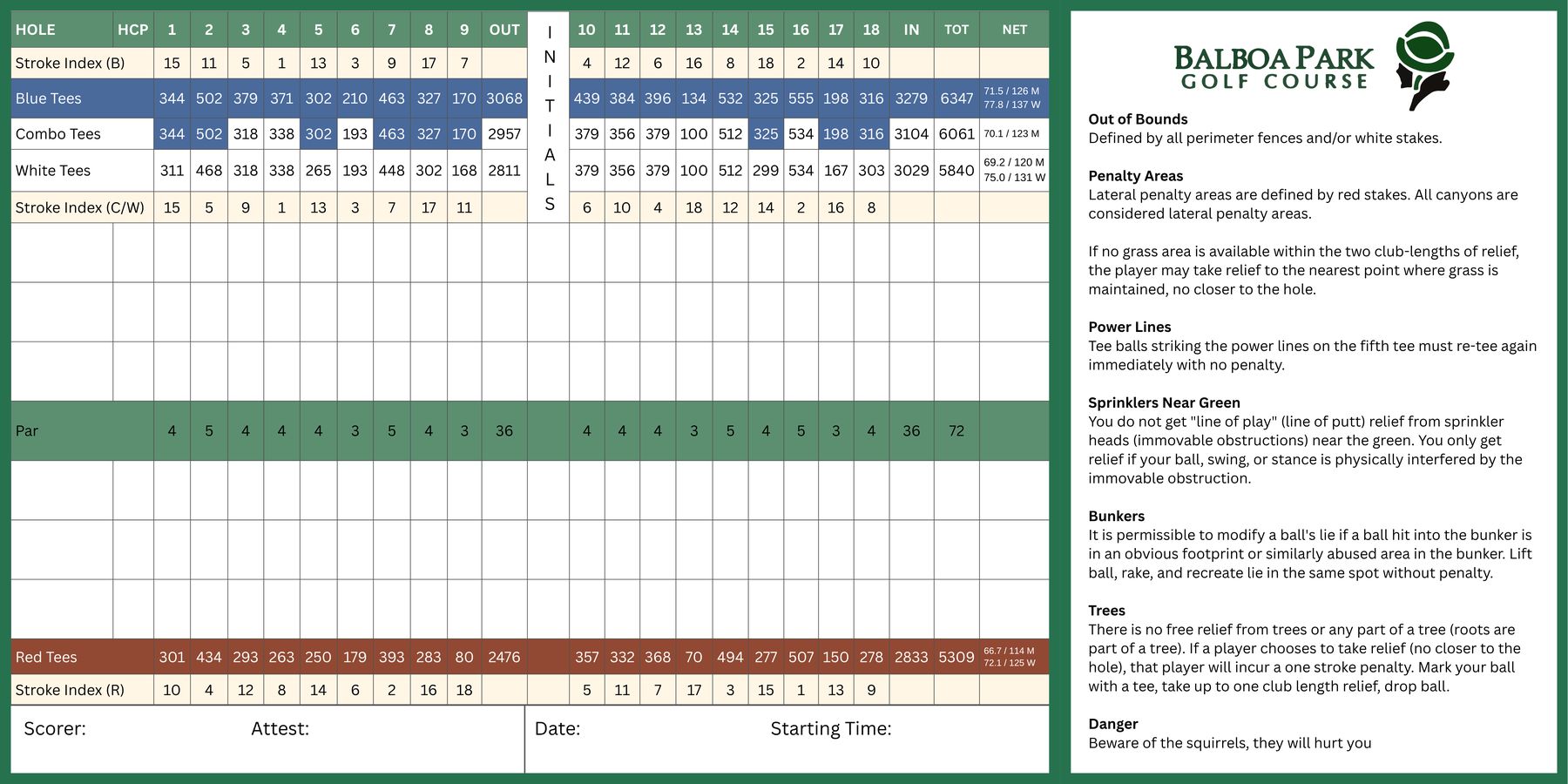
Tap to enlarge
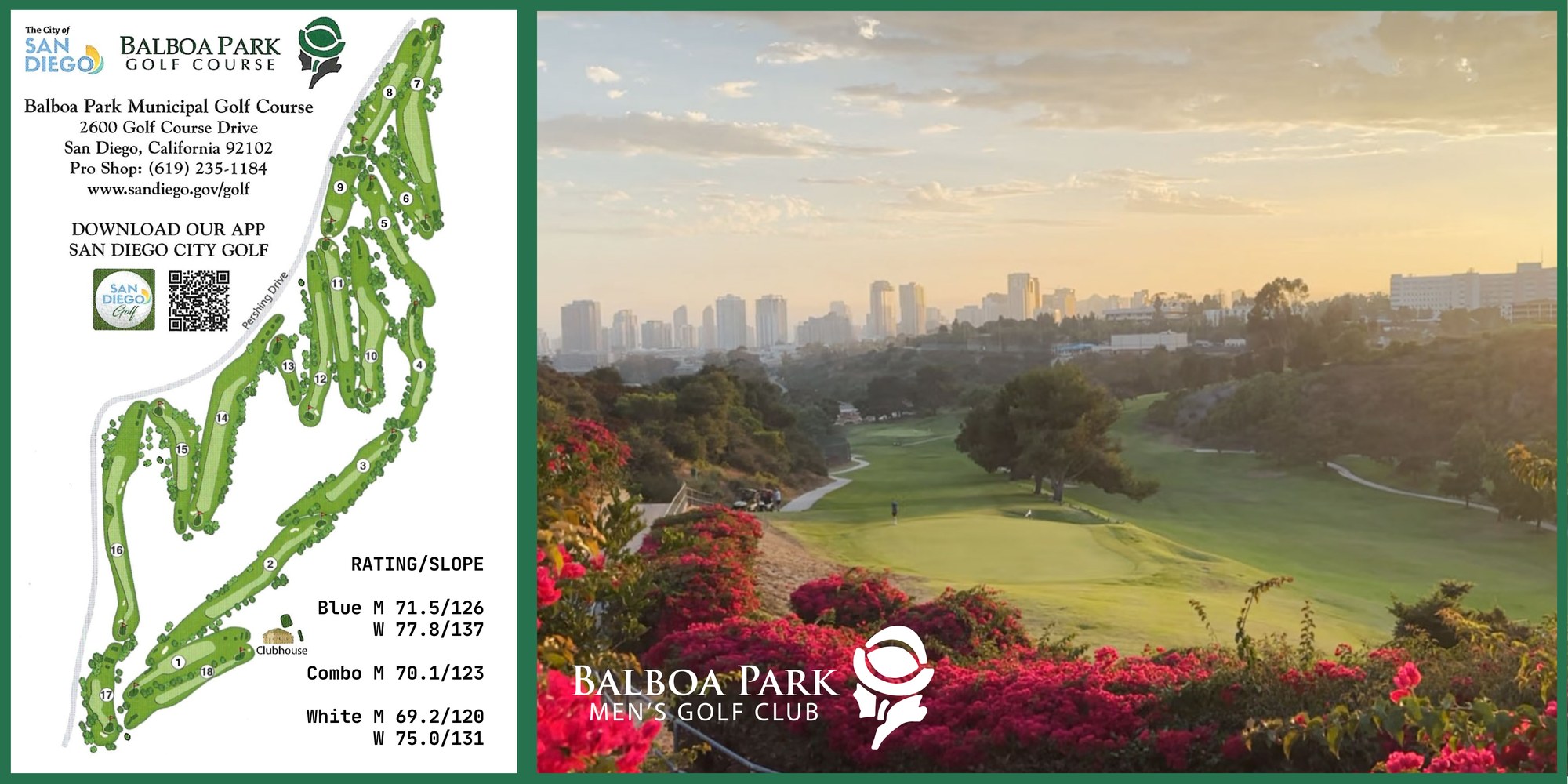
Tap to enlarge
Letter size, single sided, one page (includes both front and back).
Scorecard Front
Scorecard Back
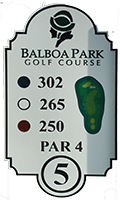
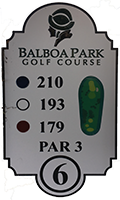
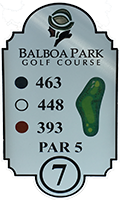
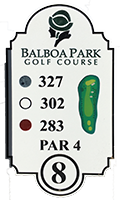
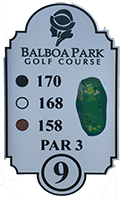
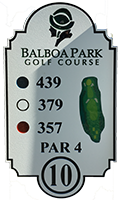
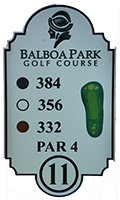
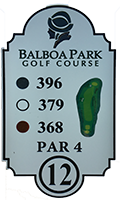
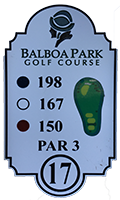
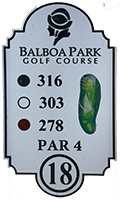
The Round of 60 — Sam Snead, 1943
No single moment in Balboa Park Golf Course history is more legendary. In 1943, Sam Snead was stationed in San Diego with the U.S. Navy. One morning, he lost $16 to a local playing partner named Art King. Demanding a rematch that afternoon, Snead went out and shot 8-under 28 on the front nine — including two eagles.
He finished with eight total birdies and a 12-under 60. The course record has stood for over 80 years and has never been matched. Snead was 31 years old at the time. He went on to win 82 PGA Tour events — a record that still stands today.
Source: Firsthand account by playing partner Art King, San Diego Union (1983). Cited in FORE Magazine / SCGA Centennial Feature (2019).
| Sam Snead — Course Record | |
|---|---|
| Year | 1943 |
| Score | 60 (12-under) |
| Front Nine | 28 (8-under, two eagles) |
| Total Birdies | Eight |
| Context | Afternoon rematch after losing $16 |
| Status | Never matched |
Famous Names Who Played Balboa Park
From 1968 to approximately 1990, Balboa Park Golf Course co-hosted the Junior World Golf Championships — now one of the most prestigious international junior events in the world, with over 1,200 participants from 50+ countries. The future stars who competed here read like a Hall of Fame induction list.
Ernie Els & Phil Mickelson — 1984
In 1984, a 14-year-old Ernie Els won the Boys 13–14 Junior World title at Balboa Park — beating a young Phil Mickelson by three strokes. Two future major champions, separated by three shots, at a San Diego muni. Els went on to win four major championships; Mickelson won six.
Tiger Woods — 1989
Five years after Els and Mickelson, a 13-year-old Tiger Woods won the Boys 13–14 Junior World title at this course. It was one of six Junior World titles Woods would capture across Balboa Park and Torrey Pines in various age divisions. He went on to win 15 major championships.
Amy Alcott — 1970
LPGA Hall of Famer Amy Alcott — 29 LPGA Tour wins, five major championships — captured the Girls 13–14 Junior World title at Balboa Park in 1970, at age 14. Balboa has a long history of hosting the game’s future stars before the world knew their names.
Walter Hagen
Eleven-time major champion Walter Hagen played Balboa Park and left behind one of its most memorable endorsements. The five-time PGA Champion called it “one of the sportiest municipal courses anywhere.”
Source: FORE Magazine / SCGA Centennial Feature (2019).
Other Junior World alumni who competed at Balboa Park include Masters champion Craig Stadler, U.S. Open champion Corey Pavin, and World No. 1 Lorena Ochoa.
A William P. Bell Golden Age Design
The championship 18-hole layout was designed by William Park Bell — known throughout California as “Billy Bell Sr.” — and opened in 1933. Bell was one of the most prolific and celebrated golf architects in the American West during the Golden Age of course design.
Working alongside George C. Thomas Jr., Bell helped create some of the most revered layouts in the country: Riviera Country Club (1927), Bel-Air Country Club (1926), and the North Course at Los Angeles Country Club (1928). Thomas later wrote of Bell in his book Golf Architecture in America: “To [Bell], I owe much of the success of what I have done.”
Golf architecture publication The Fried Egg has described Balboa as offering an alluring mixture of canyon golf, Golden Age design, and proximity to downtown San Diego, and has called for an authentic Bell restoration of the course.
Bell was also hired late in life by the City of San Diego to design a course on the cliffs north of La Jolla. His son, William Francis Bell, completed that project in 1957 — as Torrey Pines Golf Course. The Bell family’s fingerprints are all over San Diego’s finest public golf.
- Riviera Country Club (1927)
- Bel-Air Country Club (1926)
- LACC North Course renovation (1928)
- Balboa Park Golf Course (1933)
- Torrey Pines — initiated by Bell Sr.;
completed by Bell Jr. (1957)
The Balboa Park Men’s Golf Club — Est. 1935
The Balboa Park Men’s Golf Club held its first club championship in 1935, won by Juel Isaacson. That championship has been held every single year since — through wars, recessions, course renovations, and a global pandemic — making 2026 the club’s 92nd consecutive year of championship play.
The San Diego Union-Tribune, covering the club’s 80th consecutive championship in 2014, called it “one of the longest-standing [clubs] in the state, and one of the most unique,” and noted that the club’s championship total had the Masters beat by two. Members have come from all walks of life — fishermen, truck drivers, lawyers, and Realtors — united by their love of competition at San Diego’s oldest public course.
The trophy wall in the Balboa Park clubhouse, bearing a photograph of every club champion since Isaacson in 1935, is among the club’s most cherished traditions. As one longtime member put it: “That’s the first thing people do here — go look at that wall.”
Source: San Diego Union-Tribune, “Balboa Men’s Golf Club: 80 Years Strong” (August 26, 2014).
The Clubhouse (1934) & Tobey’s Diner
As Bell’s 18-hole design took shape in the early 1930s, the City of San Diego built a permanent clubhouse on the mesa overlooking the course. Constructed in the Spanish Colonial Revival architectural style consistent with Balboa Park’s historic character, the clubhouse was funded through a Depression-era unemployment relief program at a cost of $300,000. It opened in 1934 and was designated a San Diego City Historic Landmark in 2000.
Tobey’s Diner — the beloved restaurant at the back of the clubhouse — has operated continuously since 1941, when Chester Tobey was first awarded the food service concession by the City. More than 80 years later, it remains one of San Diego’s most enduring dining institutions, offering what many consider the finest unobstructed view of the downtown skyline in the city.